
Understanding Healthy Fats: A Comprehensive Guide
In the world of nutrition, the term healthy fats often sparks curiosity and confusion. Many people associate fats with weight gain, leading to the misconception that all fats are harmful. However, not all fats are created equal. Healthy fats are essential for our body’s functioning and can actually aid in weight loss when consumed in moderation. This article aims to provide an in-depth understanding of healthy fats, their importance, and how to incorporate them into your daily diet.
What Are Healthy Fats?
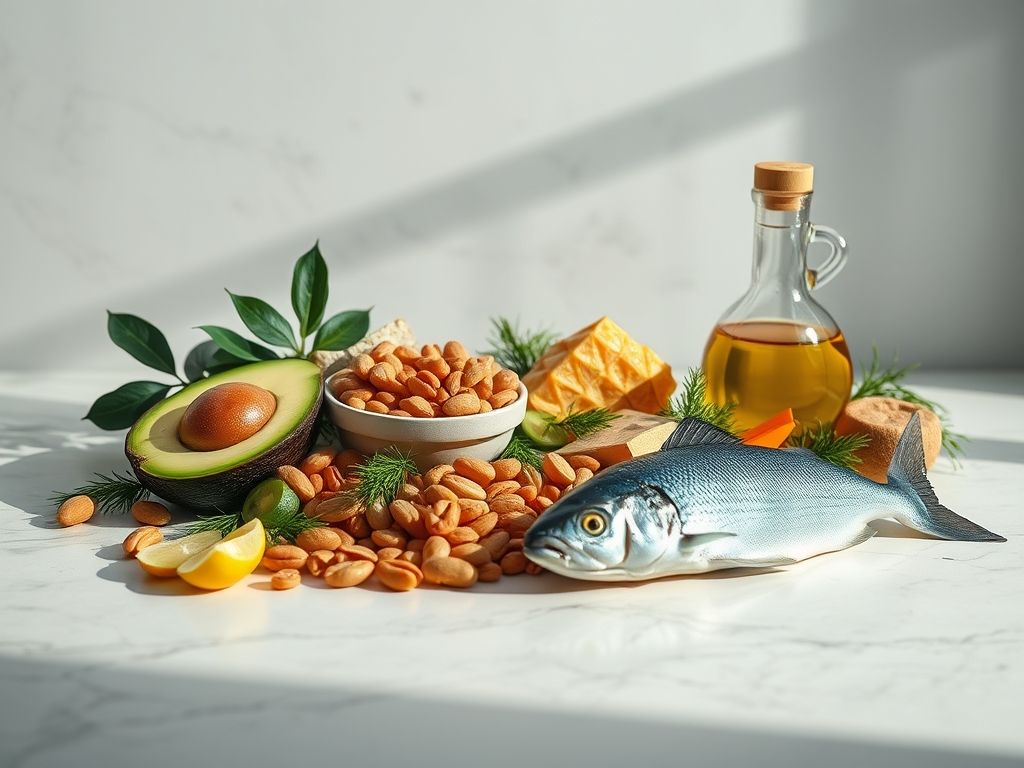
Healthy fats are types of dietary fats that are beneficial for your health. They are primarily found in plant-based oils, nuts, seeds, avocados, and fatty fish. Unlike unhealthy fats, such as trans fats and excessive saturated fats, healthy fats can support heart health, enhance brain function, and assist in weight management.
There are three main types of dietary fats:
- Monounsaturated Fats: Found in olive oil, avocados, and nuts, these fats can help reduce bad cholesterol levels.
- Polyunsaturated Fats: Often found in fish, walnuts, and sunflower oil, these fats include omega-3 and omega-6 fatty acids, which are essential for brain function.
- Saturated Fats: Although they are typically considered unhealthy, some saturated fats from natural sources like coconut oil and grass-fed butter can have health benefits when consumed in moderation.
Why Are Healthy Fats Important?
Incorporating healthy fats into your diet can provide numerous health benefits:
- Promotes Heart Health: Healthy fats can help lower bad cholesterol levels, reducing the risk of heart disease.
- Aids Weight Loss: Consuming healthy fats can promote satiety, helping you feel fuller for longer and potentially leading to reduced calorie intake.
- Enhances Nutrient Absorption: Certain vitamins (A, D, E, and K) are fat-soluble, meaning they require fat for absorption.
- Supports Brain Function: Omega-3 fatty acids, found in fatty fish, are crucial for brain health and cognitive functions.
How to Incorporate Healthy Fats into Your Diet
Incorporating healthy fats into your diet doesn’t have to be complicated. Here are practical ways to add them to your meals:
1. Use Healthy Oils for Cooking
Instead of using butter or margarine, opt for oils like olive oil or avocado oil. These oils not only enhance the flavor of your dishes but also provide beneficial monounsaturated fats.
2. Snack on Nuts and Seeds
Nuts and seeds are excellent sources of healthy fats. Keep a mix of almonds, walnuts, and chia seeds on hand for quick snacks or add them to salads and yogurt.
3. Include Fatty Fish in Your Meals
Fish like salmon, mackerel, and sardines are rich in omega-3 fatty acids. Aim to include fatty fish in your diet at least twice a week.
4. Avocado and Guacamole
Avocados are a delicious source of healthy fats. Add sliced avocado to sandwiches or make guacamole for healthy dips.
Common Misconceptions About Fats
Despite the benefits of healthy fats, misconceptions still exist. Here are some common myths:
- All Fats Are Bad: This is a prevalent myth. While trans fats and excessive saturated fats should be avoided, healthy fats are essential for overall health.
- Eating Fat Makes You Fat: Consuming healthy fats in moderation can actually support weight loss by promoting satiety.
- Low-Fat Diets Are Healthier: Many low-fat foods are processed and may contain added sugars. It’s better to choose whole foods with healthy fats.
Related Concepts
Understanding healthy fats also involves recognizing related concepts in nutrition:
- Omega-3 Fatty Acids: Essential fats that play a crucial role in brain health and reducing inflammation.
- Trans Fats: Unhealthy fats found in many processed foods that should be avoided.
- Caloric Balance: The relationship between calories consumed and calories burned; understanding this is essential for weight management.
Practical Applications: How to Use Healthy Fats Daily
Here are some easy ways to apply the knowledge of healthy fats into your daily routine:
- Breakfast: Start your day with oatmeal topped with nuts and a drizzle of almond butter.
- Lunch: Create a salad with mixed greens, avocado, and a vinaigrette made with olive oil.
- Dinner: Grill salmon and serve with a side of quinoa and steamed vegetables drizzled with flaxseed oil.
- Snacks: Keep a container of mixed nuts at your desk for a healthy mid-afternoon snack.
Conclusion
Healthy fats are a vital component of a balanced diet, especially for those looking to lose weight and improve overall health. By understanding the different types of fats and their benefits, you can make informed choices that support your well-being. Remember, moderation is key; incorporating healthy fats into your meals can enhance flavor and nutrition. So, the next time you’re planning your meals, don’t shy away from adding healthy fats to your plate!
As you reflect on your dietary choices, consider how you can integrate more healthy fats into your lifestyle. Small changes can lead to significant health benefits!

 English