
Content Index
- Understanding Body Composition
- The Importance of Body Composition in Health and Weight Loss
- Key Components of Body Composition
- Measuring Body Composition
- Practical Applications of Body Composition Knowledge
- How to Improve Body Composition
- Related Concepts to Body Composition
- Conclusion: The Practical Significance of Understanding Body Composition
Understanding Body Composition
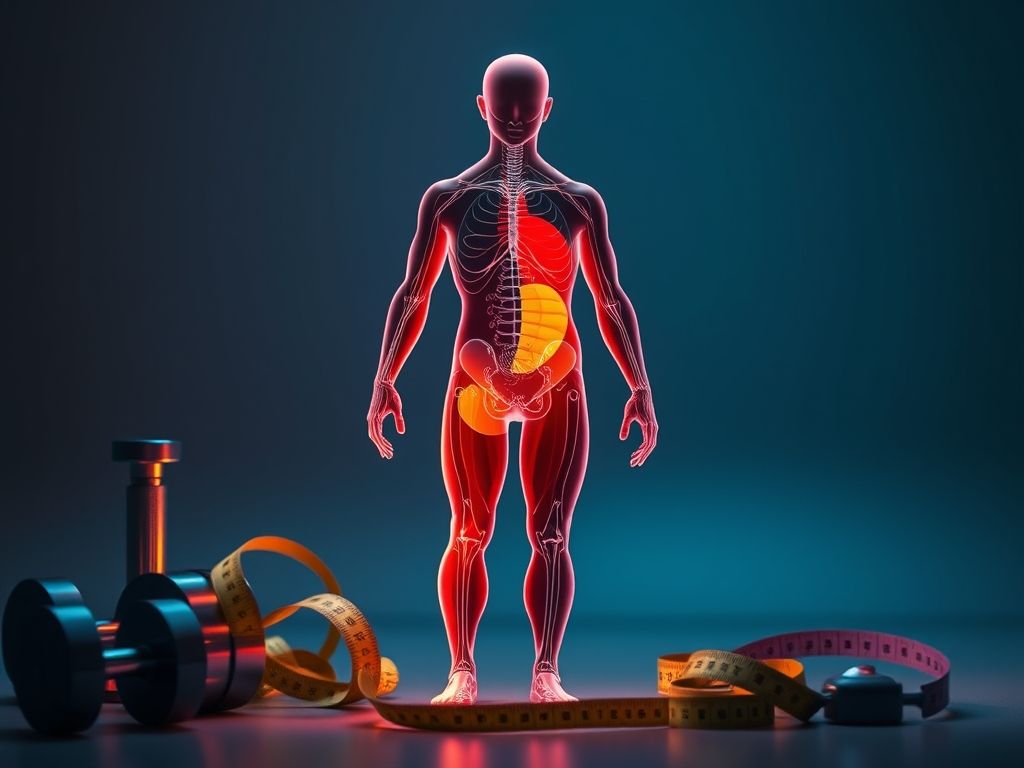
Body composition refers to the proportion of fat, bone, water, and muscle that make up an individual’s body weight. Unlike the simple measure of body weight, body composition provides a more detailed insight into an individual’s health status. Understanding body composition is crucial for anyone interested in weight loss, fitness, or overall health improvement.
The Importance of Body Composition in Health and Weight Loss
Body composition plays a vital role in determining health risks and fitness levels. A higher percentage of body fat can lead to conditions such as obesity, diabetes, and heart disease. Conversely, a healthy balance of fat and muscle mass is associated with better metabolic health, improved physical performance, and enhanced longevity.
For those aiming to lose weight, focusing on body composition rather than just the number on the scale can lead to more sustainable results. For instance, losing fat while maintaining or building muscle can improve body composition and lead to a healthier physique.
Key Components of Body Composition
Body composition is typically divided into two main categories: fat mass and lean body mass. Here’s a closer look:
- Fat Mass: This includes essential fat necessary for bodily functions and non-essential fat, which is stored in various parts of the body.
- Lean Body Mass: This encompasses muscles, bones, organs, and fluids. Muscle mass is particularly important as it affects metabolism and physical strength.
Measuring Body Composition
There are several methods to measure body composition, each with its own advantages and limitations:
- Bioelectrical Impedance Analysis (BIA): This method uses electrical signals to estimate body composition. It’s quick and easy, making it popular in fitness centers.
- Dual-Energy X-ray Absorptiometry (DEXA): Considered one of the most accurate methods, DEXA scans measure bone density and body composition, though it can be expensive.
- Skinfold Measurements: This involves using calipers to measure the thickness of skinfolds at various sites to estimate body fat percentage.
- Hydrostatic Weighing: This method measures body density through underwater weighing and is highly accurate but less accessible.
Practical Applications of Body Composition Knowledge
Understanding your body composition can lead to actionable insights for improving health and fitness. Here are some practical applications:
- Personalized Fitness Plans: Knowing your body composition allows trainers and individuals to tailor exercise programs that focus on fat loss or muscle gain.
- Nutritional Adjustments: Adjusting dietary intake based on body composition can help in achieving specific fitness goals. For example, increasing protein intake can support muscle maintenance during weight loss.
- Motivation and Tracking Progress: Tracking changes in body composition rather than just weight can provide a more accurate measure of progress, keeping individuals motivated.
How to Improve Body Composition
Improving body composition is achievable through a combination of diet, exercise, and lifestyle changes. Here are strategies to consider:
- Incorporate Strength Training: Lifting weights or engaging in bodyweight exercises can help build muscle mass, which in turn can boost metabolism and aid fat loss.
- Focus on Nutrition: Prioritize whole foods, such as fruits, vegetables, lean proteins, and whole grains, while minimizing processed foods and added sugars.
- Stay Hydrated: Drinking enough water supports metabolic processes and can help in reducing body fat levels.
- Get Adequate Sleep: Quality sleep is essential for recovery and hormone regulation, both of which play significant roles in body composition.
Related Concepts to Body Composition
Understanding body composition is interconnected with various other health and fitness concepts:
- Body Mass Index (BMI): While BMI is a common measure of body weight relative to height, it does not provide information about body fat distribution or muscle mass.
- Metabolism: Body composition impacts metabolic rate; more muscle mass generally leads to a higher resting metabolic rate.
- Physical Fitness: Components of fitness, including endurance, flexibility, and strength, are influenced by body composition.
Conclusion: The Practical Significance of Understanding Body Composition
In summary, understanding body composition is not just about aesthetics; it’s about enhancing overall health and well-being. By focusing on the quality of weight rather than quantity, individuals can make informed decisions that lead to healthier lifestyles. Whether you’re starting a new fitness journey or looking to optimize your current regimen, knowledge of your body composition can provide invaluable insights.
As you reflect on your own body composition, consider how you can apply this knowledge in your daily life. Are there changes you can make to your diet or exercise routine? Embrace the journey toward better health with a deeper understanding of your body’s unique composition.

 English