
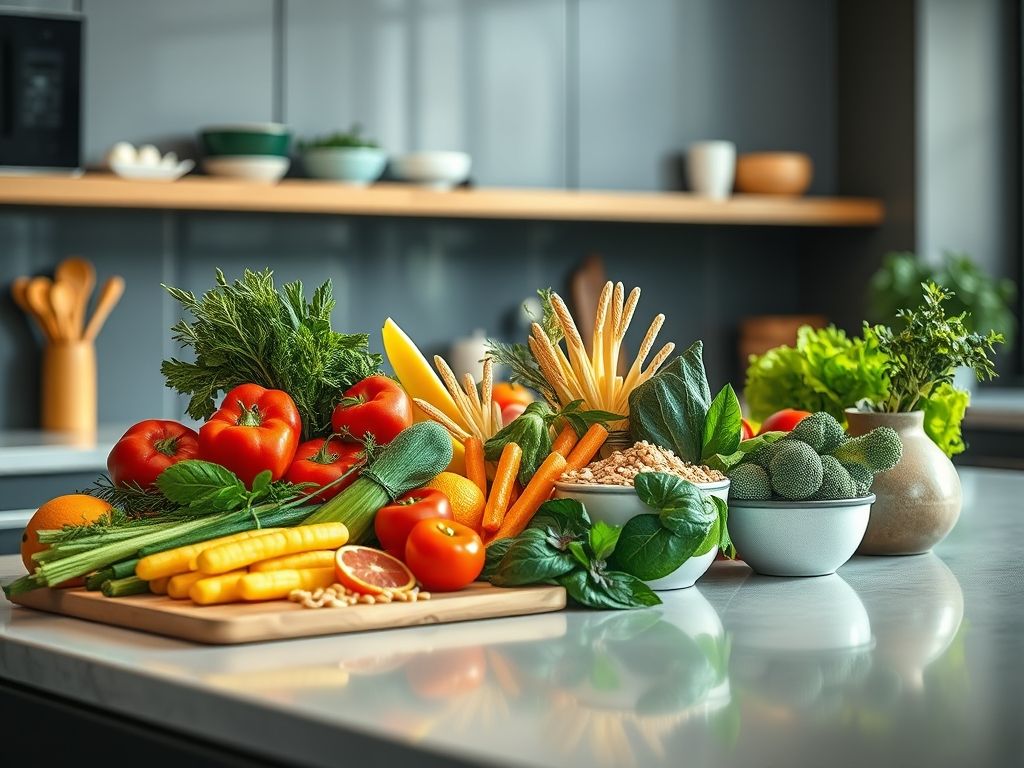
Healthy Cooking: A Comprehensive Guide
Healthy cooking is not just a trend; it’s a lifestyle choice that promotes well-being and supports weight loss. By focusing on nutritious ingredients and mindful preparation methods, healthy cooking enables individuals to enjoy flavorful meals without compromising their health goals.
What is Healthy Cooking?
At its core, healthy cooking refers to the preparation of meals using wholesome, nutrient-dense ingredients that contribute to better health and a balanced diet. This approach not only emphasizes the quality of food but also the methods used in its preparation, ensuring that meals are both delicious and beneficial for the body.
Importance of Healthy Cooking
The significance of healthy cooking extends beyond personal health. Here are some key reasons why it matters:
- Weight Management: Cooking with fresh ingredients helps control calorie intake and promotes sustainable weight loss.
- Improved Nutritional Intake: A focus on fruits, vegetables, whole grains, and lean proteins enhances the overall nutritional profile of meals.
- Culinary Skills Development: Engaging in healthy cooking fosters improved cooking skills and creativity in the kitchen.
- Family Health: Preparing healthy meals at home encourages healthier eating habits for the entire family.
Key Principles of Healthy Cooking
Understanding the fundamental principles of healthy cooking can transform your approach to meals. Here are several crucial aspects to consider:
1. Choosing Nutrient-Dense Ingredients
Focus on whole foods such as:
- Fruits and vegetables
- Whole grains (e.g., brown rice, quinoa)
- Lean proteins (e.g., chicken, fish, legumes)
- Healthy fats (e.g., avocados, nuts, olive oil)
2. Cooking Methods Matter
The way you prepare food can significantly impact its health benefits. Prefer methods such as:
- Steaming
- Grilling
- Baking
- Sautéing with minimal oil
3. Flavoring Wisely
Enhance the taste of your meals without excessive salt or sugar. Use:
- Herbs and spices (e.g., basil, turmeric, garlic)
- Citrus juices (e.g., lemon, lime)
- Low-sodium broth for cooking
4. Portion Control
Practicing portion control helps maintain a balanced diet. Consider using smaller plates and serving sizes to avoid overeating.
Applications of Healthy Cooking in Daily Life
Implementing healthy cooking practices in your daily routine can be straightforward. Here are several practical ways to get started:
Meal Planning and Preparation
Spend time each week planning meals and preparing ingredients in advance. This can save time during busy weekdays and help you stick to your health goals.
Cooking at Home
Prepare meals at home as often as possible. This allows you to control ingredients and portion sizes, making healthy choices easier.
Incorporating Healthy Recipes
Experiment with new recipes that focus on healthy cooking. Websites, cookbooks, and cooking classes can provide inspiration.
Related Concepts and Terms
Healthy cooking intersects with several other concepts in the field of nutrition and wellness:
- Nutritional Science: The study of nutrients and how they affect health.
- Mindful Eating: A practice that encourages being aware of the food you eat and savoring each bite.
- Plant-Based Diet: A diet primarily based on foods derived from plants.
Conclusion: Embracing Healthy Cooking
Healthy cooking is an empowering practice that can lead to improved health and well-being. By understanding the principles and incorporating them into daily life, individuals can enjoy delicious meals while supporting their weight loss and health goals. Start today by making small changes in your cooking habits, and watch as your relationship with food transforms for the better.
Call to Action
Reflect on your current cooking habits. What changes can you make to embrace a healthier lifestyle? Consider setting a goal to try one new healthy recipe this week!

 English