
Content Index
- Understanding Protein Sources
- Why Are Protein Sources Important for Weight Loss?
- Types of Protein Sources
- How to Incorporate Protein Sources into Your Diet
- Real-World Examples of Protein Sources in Action
- Common Misconceptions About Protein Sources
- Practical Applications of Protein Sources
- Related Concepts
- Conclusion: Take Action on Your Protein Knowledge
Understanding Protein Sources
Protein sources refer to the various foods and substances that provide protein, an essential macronutrient crucial for bodily functions, including muscle repair, immune response, and hormone production. In the context of weight loss, understanding protein sources can significantly impact dietary choices, enhance satiety, and promote a healthy metabolism.
Why Are Protein Sources Important for Weight Loss?
When it comes to losing weight, protein plays a vital role. It helps in building and repairing tissues, producing enzymes and hormones, and maintaining muscle mass during caloric deficits. Higher protein intake can lead to increased feelings of fullness, reducing overall calorie consumption. Moreover, the thermic effect of food (TEF) indicates that protein requires more energy for digestion compared to fats and carbohydrates, contributing to additional calorie burn.
Types of Protein Sources
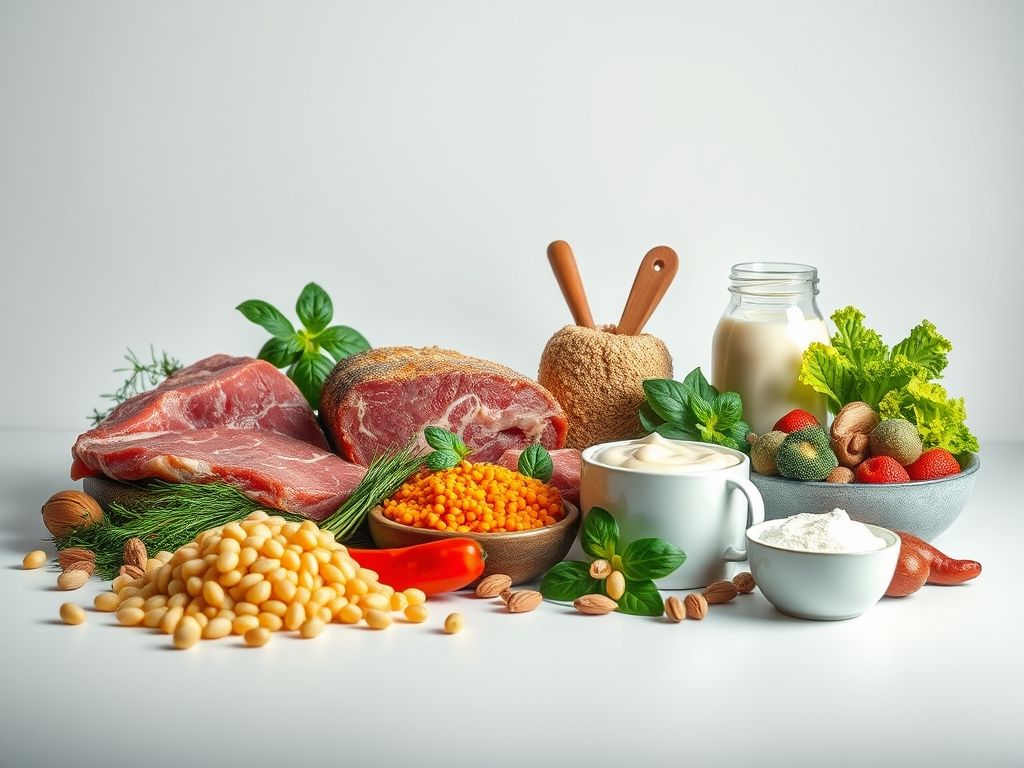
Protein sources can be classified into two main categories: animal-based and plant-based. Below are examples of each:
- Animal-Based Protein Sources:
- Meat: Chicken, beef, pork, and turkey.
- Fish: Salmon, tuna, and sardines are excellent options rich in omega-3 fatty acids.
- Dairy: Milk, yogurt, and cheese provide both protein and calcium.
- Eggs: A complete protein source containing all essential amino acids.
- Plant-Based Protein Sources:
- Legumes: Lentils, chickpeas, and black beans are protein-packed and fiber-rich.
- Nuts and Seeds: Almonds, chia seeds, and hemp seeds offer healthy fats along with protein.
- Whole Grains: Quinoa, brown rice, and oats are good sources that also provide fiber.
- Tofu and Tempeh: Soy products that are versatile and protein-dense.
How to Incorporate Protein Sources into Your Diet
Integrating a variety of protein sources into your daily meals can be straightforward and enjoyable. Here are some practical tips:
- Breakfast: Start your day with a protein-rich smoothie made with yogurt and spinach or scrambled eggs with vegetables.
- Lunch: Opt for a salad topped with grilled chicken or chickpeas, providing a balance of protein and nutrients.
- Dinner: Choose fish or lean meat accompanied by quinoa or brown rice and a side of steamed vegetables.
- Snacks: Keep high-protein snacks like Greek yogurt, mixed nuts, or edamame handy.
Real-World Examples of Protein Sources in Action
Consider the following scenarios to see how protein sources can be effectively utilized in daily life:
- Meal Prepping: Prepare a week’s worth of meals focusing on diverse protein sources, such as grilled chicken, roasted chickpeas, and tofu stir-fry, to save time and ensure balanced nutrition.
- Post-Workout Recovery: After exercising, consume a protein shake or a meal with both protein and carbohydrates, like a turkey sandwich on whole-grain bread, to aid muscle recovery.
- Family Dinners: Include a variety of protein sources in family meals, such as a mixed bean chili or a fish taco night, to cater to different dietary preferences and ensure everyone gets enough protein.
Common Misconceptions About Protein Sources
Despite the known benefits, there are several misconceptions surrounding protein sources:
- High-Protein Diets Are Dangerous: While extremely high-protein diets may pose risks for some, moderate intake from varied sources is generally safe and beneficial.
- Plant Proteins Are Incomplete: Many plant-based proteins can complement each other (e.g., rice and beans) to provide all essential amino acids.
- Only Animal Proteins Matter: Plant proteins are equally important and often come with additional health benefits, such as fiber and antioxidants.
Practical Applications of Protein Sources
Understanding how to utilize protein sources can transform your approach to meals and snacks:
- Track Your Intake: Use apps to monitor your daily protein consumption and ensure you meet your nutritional goals.
- Experiment with Recipes: Explore new recipes that feature diverse protein sources, such as lentil burgers or quinoa salads.
- Balance Your Plate: Aim for a balanced plate that includes a protein source, healthy fats, and plenty of vegetables.
Related Concepts
Beyond protein sources, other nutritional concepts play a role in weight loss and overall health:
- Carbohydrates: Understanding how carbs work with proteins can help maintain energy levels during weight loss.
- Fats: Healthy fats are crucial for hormone production and overall health. Knowing the right types to consume is essential.
- Micronutrients: Vitamins and minerals support bodily functions and should not be overlooked in a weight-loss diet.
Conclusion: Take Action on Your Protein Knowledge
As you embark on your weight loss journey, remember that integrating a variety of protein sources into your diet is not only beneficial but also enjoyable. By understanding the role of protein in your meals and making informed choices, you can enhance your satiety, support muscle maintenance, and achieve your weight loss goals. Reflect on your current dietary habits and consider how you can incorporate more protein sources into your daily routine.
Start today by planning your meals with a focus on the diverse protein sources available to you. Your body will thank you!

 English