
Content Index
What are Wellness Retreats?
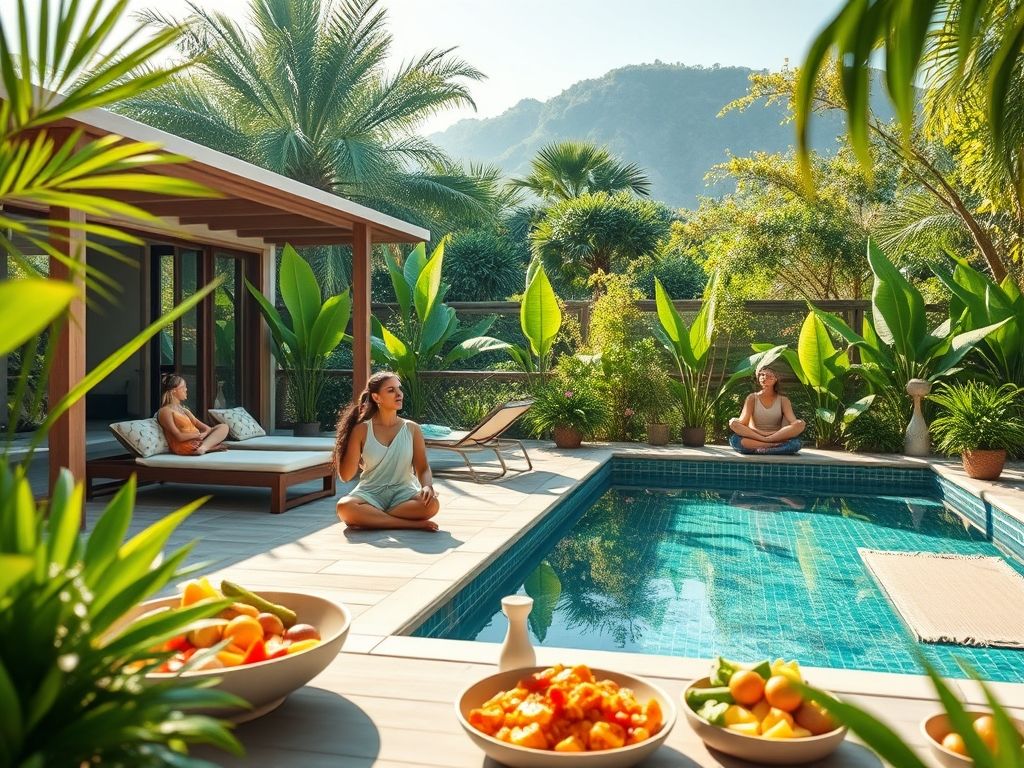
Wellness retreats are immersive programs designed to promote health and well-being through a combination of physical activities, nutritional education, mindfulness practices, and relaxation techniques. These retreats typically take place in tranquil settings that encourage participants to disconnect from daily stressors and focus on self-care and personal growth.
The Importance of Wellness Retreats
In today’s fast-paced world, prioritizing mental and physical health is crucial. Wellness retreats provide a unique opportunity to step away from the hustle and bustle of everyday life. They allow individuals to recharge, reset, and rejuvenate. The structured environment of these retreats often leads to lasting behavioral changes and improved health outcomes, particularly beneficial for those looking to lose weight.
Types of Wellness Retreats
- Yoga Retreats: Focus on physical postures, breathing techniques, and meditation. Ideal for stress relief and flexibility.
- Detox Retreats: Emphasize cleansing the body through diet, fasting, and elimination of toxins, often leading to weight loss.
- Fitness Retreats: Offer structured workout sessions and fitness classes, perfect for individuals looking to shed pounds while enjoying a supportive community.
- Spiritual Retreats: Focus on mental well-being, mindfulness, and spiritual growth, helping participants find inner peace.
Benefits of Participating in Wellness Retreats
Engaging in wellness retreats can have profound effects on both mental and physical health. Here are some key benefits:
- Improved Mental Clarity: Retreats often include meditation and mindfulness practices that enhance focus and reduce anxiety.
- Weight Loss: Many retreats provide tailored meal plans and physical activities that promote healthy weight management.
- Community Support: Building connections with like-minded individuals encourages accountability and motivation.
- Expert Guidance: Access to wellness professionals, such as nutritionists and fitness trainers, ensures participants receive tailored advice.
How to Choose the Right Wellness Retreat
Selecting the right wellness retreat can seem daunting, but considering a few key factors can help:
- Goals: Define what you hope to achieve—be it relaxation, weight loss, or personal development.
- Location: Consider the atmosphere you prefer. Beach locations offer tranquility, while mountain retreats might provide invigorating fresh air.
- Programs Offered: Research the types of activities available. Look for retreats that align with your interests, whether it’s yoga, hiking, or cooking classes.
- Duration: Retreats can vary from weekends to several weeks. Choose one that fits your schedule and allows for sufficient immersion.
Applications of Wellness Retreats in Daily Life
After attending a wellness retreat, many participants seek to incorporate the lessons learned into their daily routines. Here are practical applications:
- Mindful Eating: Apply the principles of mindfulness to your meals by savoring each bite and paying attention to hunger cues.
- Regular Exercise: Create a weekly fitness schedule that includes enjoyable activities, whether it’s jogging, yoga, or group classes.
- Stress Management: Practice mindfulness and breathing exercises learned at the retreat to manage daily stressors effectively.
- Community Engagement: Stay connected with fellow retreat-goers through social media or local meet-ups for ongoing support.
Related Concepts
Understanding wellness retreats can also lead to insights into other related concepts:
- Holistic Health: An approach that considers physical, emotional, and spiritual well-being.
- Mindfulness: The practice of being present and fully engaging with the moment, often taught in retreats.
- Nutrition Education: Learning about healthy eating habits can significantly impact weight loss and health.
- Self-Care: Engaging in activities that nurture one’s physical and mental health.
Final Thoughts: Embracing Wellness Retreats
Wellness retreats offer a unique opportunity to focus on personal health and well-being. They can serve as a catalyst for change, encouraging you to adopt healthier habits and a more balanced lifestyle. If you’re considering a wellness retreat, take the time to research options that resonate with your goals and preferences.
Reflect on your wellness journey—what changes can you implement today to support your health and well-being? Whether it’s through mindfulness, healthier eating, or regular exercise, the journey to a healthier you begins with a single step.

 English